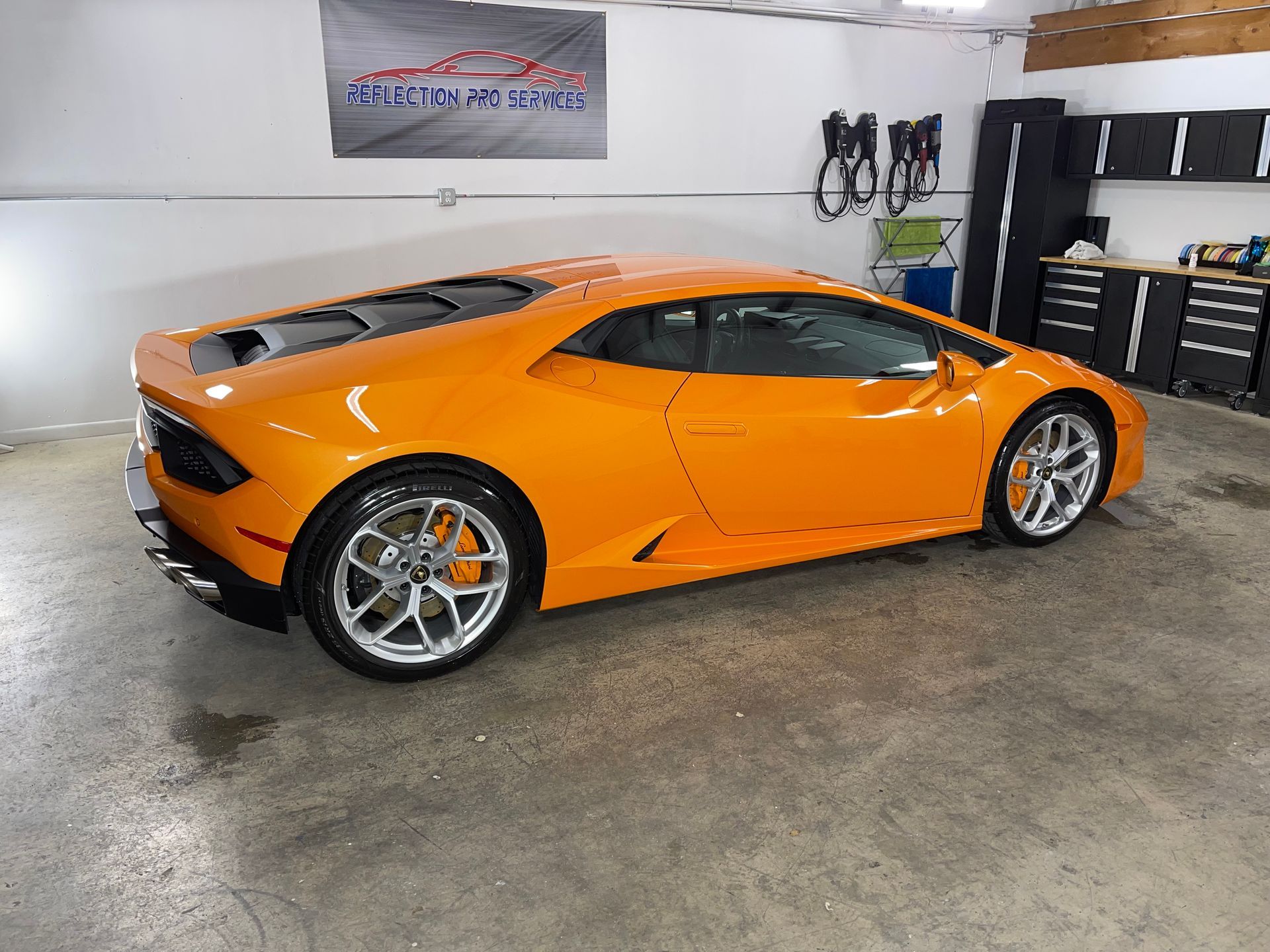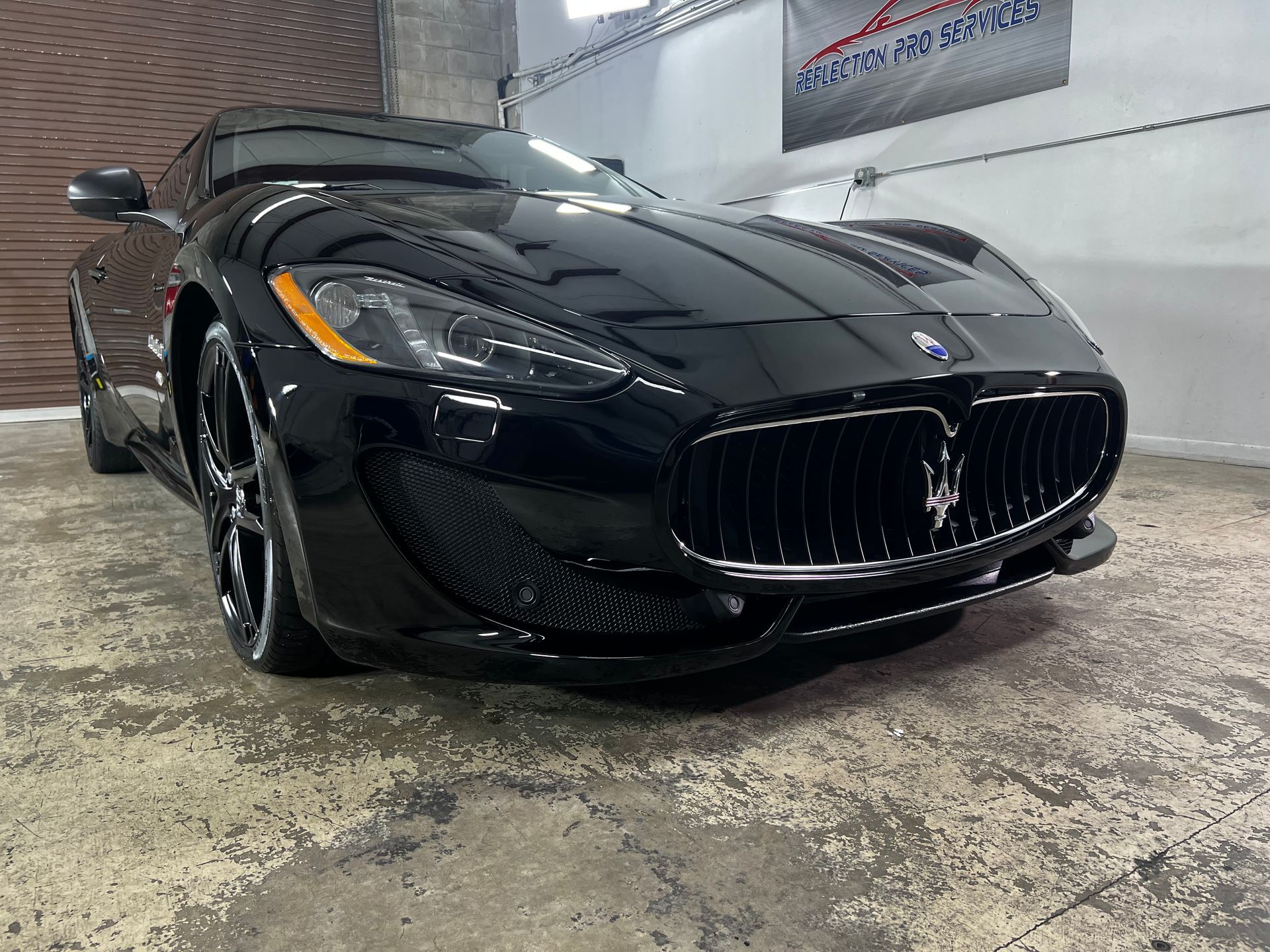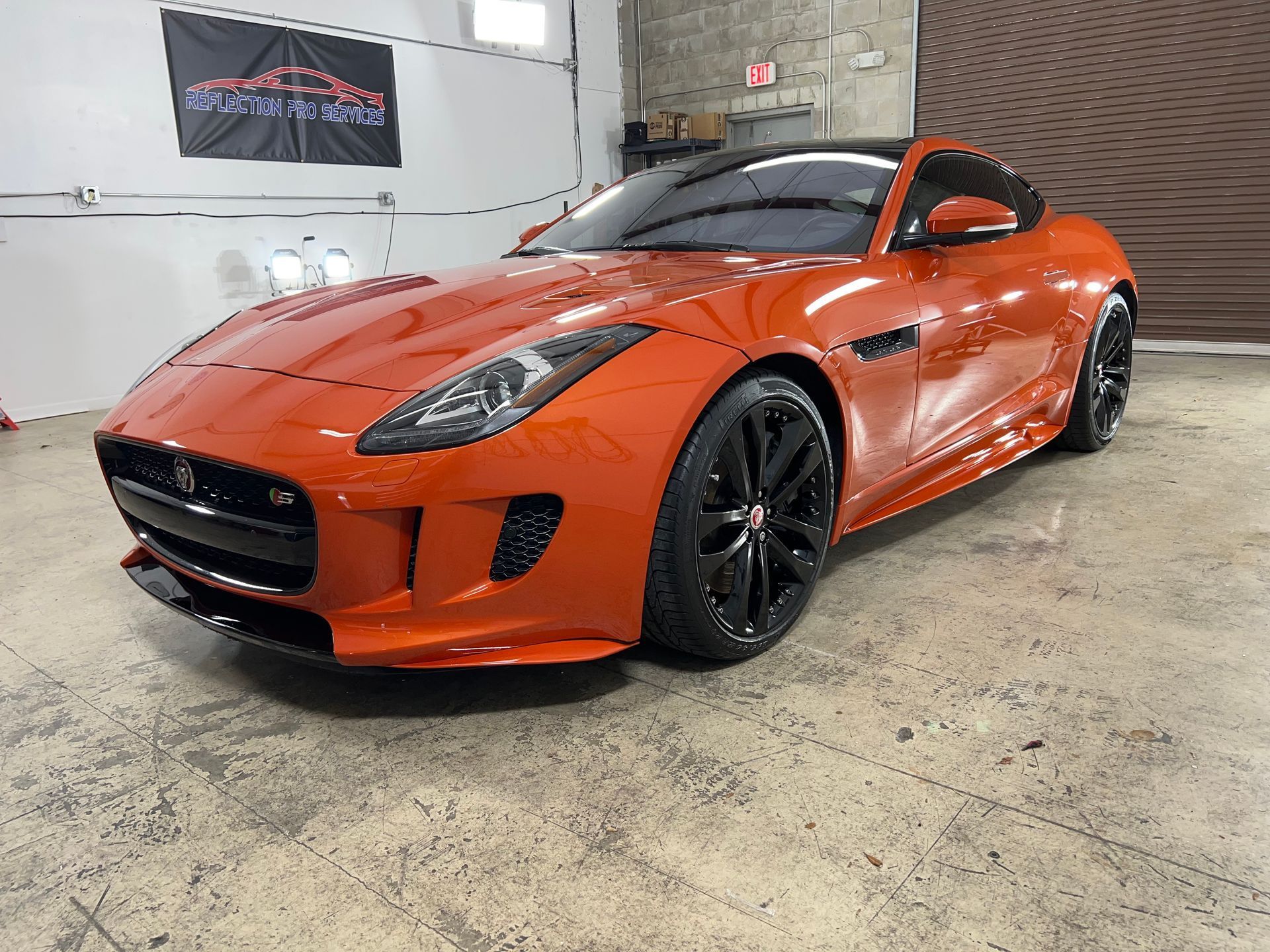
Correction with Purpose
Better Paint Doesn't Always Mean Removing Every Defect
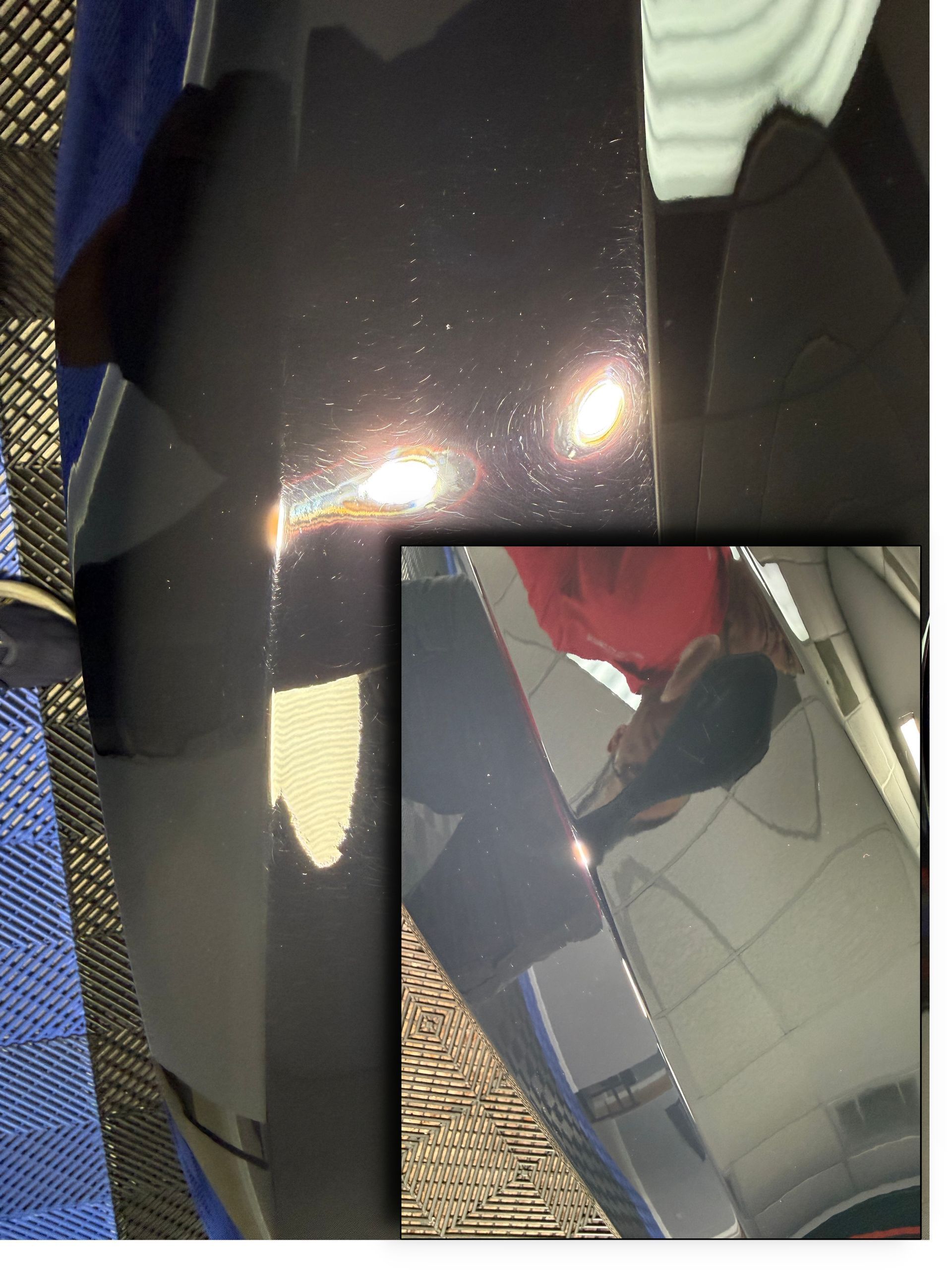
Paint correction can dramatically improve gloss, clarity and overall appearance by reducing swirls, oxidation, water-spot etching, light scratches and other visible defects.
But every correction removes a measurable amount of paint or clear coat.
That's why our goal isn't simply to chase every defect. Before correction begins, we evaluate the condition, history and available paint thickness to determine how far the finish can safely be improved.
We correct only as far as the finish safely allows.
On collector, original-paint or historically significant vehicles, preserving the integrity of the paint takes priority over chasing every defect.
We don't measure success by how much paint we remove. We measure it by how much improvement we can achieve while preserving the finish.
The goal is not perfect paint at any cost. It's the best possible result without unnecessarily sacrificing the finish we're trying to preserve.
Correction Built Around the Vehicle
The Appropriate Level of Correction Starts With the Vehicle
No two finishes are identical.
Paint type, thickness, previous correction, age, condition and the client's goals all influence how aggressively a vehicle should be polished.
That's why we determine the appropriate correction process after evaluating the vehicle rather than promising an arbitrary percentage of defect removal.
Stage 1 - Paint Enhancement
STARTING AT $300
Designed primarily to improve gloss, clarity and overall appearance while reducing lighter swirls, haze and wash-induced marring.
Includes:
- Exterior preparation and decontamination
- Paint condition evaluation
- Paint-depth measurements where appropriate
- Single-stage machine polishing
- Final surface preparation
- Protection appropriate to the selected service
Best suited for: Newer or well-maintained vehicles, vehicles being prepared for a protection system, and finishes needing refinement rather than aggressive correction
Stage 2 - Advance Paint Correction
STARTING AT $600
Designed for finishes with more substantial swirling, oxidation, etching, marring or correctable scratches where additional correction is appropriate and the condition of the paint safely allows.
Includes:
- Exterior preparation and decontamination
- Detailed paint evaluation
- Paint-depth analysis
- Multi-stage compounding and polishing as required
- Final refinement
- Preparation for the selected protection system
Best suited for: Vehicles requiring considerably more restoration of paint clarity and overall finish quality.
Stage 3 - Specialized Correction
Inspection Required
For severe defects, sanding marks, deeper etching or finishes requiring specialized correction techniques.
Stage 3 is not automatically appropriate simply because a vehicle has heavier defects.
Paint thickness, previous repairs, paint history and overall condition must first be evaluated to determine whether additional correction is responsible.
Best suited for: special situations requiring advanced correction beyond a conventional compound-and-polish process.
PRICED AFTER INSPECTION
Our Process
A Measured Approach to Paint Correction
Paint correction shouldn't begin with a machine polisher. It begins with understanding the condition of the finish.
1 — Clean & Decontaminate
We thoroughly clean and decontaminate the exterior so bonded contamination doesn't hide the true condition of the finish.
2 — Inspect & Measure
Once the paint is clean, we inspect the finish under proper lighting and perform paint-depth measurements where appropriate.
This can help identify inconsistencies, previous repairs and areas where a more conservative approach may be required.
3 — Test & Correct
We determine the least aggressive process capable of producing the desired improvement.
Correction is then performed according to the condition of the finish rather than simply applying one aggressive process indiscriminately to the entire vehicle.
4 — Refine & Protect
After correction, the finish is refined and prepared for the appropriate protection.
Depending on the vehicle and how it is used, that may include Advanced Surface Protection or REVIVIFY Self-Healing Technology.
MAXIMUM IMPROVEMENT IS NOT EQUAL TO MAXIMUM PAINT REMOVAL
Paint Correction Questions
Questions or Concerns? We Have Answers
Can every scratch be removed?
No. Some defects are too deep to remove safely. If removing a scratch would require sacrificing more clear coat or paint than we believe is appropriate, we would rather improve the defect and leave some evidence of it than compromise the long-term integrity of the finish.
Does paint correction remove paint?
Yes. Machine correction works by carefully leveling a very small amount of the painted surface or clear coat. That's precisely why paint condition, thickness and previous correction history matter.
Will my vehicle look perfect afterward?
Our goal is the best safe and reasonable improvement—not an arbitrary promise of perfection. Results depend on paint condition, defect depth, available material and the history of the vehicle.
What about original or collector-car paint?
Originality can sometimes be more important than perfection. On original-paint, collector and historically significant vehicles, preservation takes priority. Correction may intentionally be more conservative.
Can paint correction repair chips or body damage?
No. Paint correction improves surface defects through polishing. Paint chips, dents, cracking, clear-coat failure and other physical damage require different repair processes. Reflection Pro Services does offer specialized paint-chip repair for appropriate chips.
Should the paint be protected afterward?
Yes. Once the finish has been corrected, it makes sense to preserve the result. Depending on the vehicle and your goals, we can recommend an appropriate ceramic coating or REVIVIFY self-healing protection system.
How We Approach Paint Correction at Reflection Pro Services
Clean & Decontaminate
Before correction begins, the exterior is thoroughly cleaned and decontaminated to remove surface and bonded contamination. This allows us to see the paint in its true condition and properly evaluate the defects we're working with.
Inspect
Under proper lighting, we evaluate the condition of the finish, including swirling, scratches, oxidation, etching, previous repairs and other visible defects. The vehicle's age, paint history and the client's goals are also considered before determining the appropriate correction approach.
Measure & Plan
Paint-depth measurements are taken where appropriate to help us understand how much material we're working with and identify areas that may require a more conservative approach. From there, we determine how far the finish can safely be improved.
Correct & Refine
We select the appropriate polishing process based on the condition of the individual vehicle. Our goal is to improve gloss, clarity and overall appearance while preserving the integrity of the finish—not simply removing as much paint as possible.
Get a Paint Polishing Quote